March 2026 · 2 min read
What makes a listing video convert
In real estate, the video's job is to earn the inspection, not to look nice on its own.
A property listing gets scrolled past in under a second if the first frame doesn't do its job. That's the brief every listing video is actually answering, whatever the agent asks for on the call: stop the scroll, then earn enough trust in thirty seconds that someone books a time to walk through in person.
Lead with what actually sells the property
That means leading with the shot that actually sells the property, not the front door. A kitchen island, natural light through a living room, the view from the balcony, whatever the property's actual selling point is, first.
The front door is where a buyer starts an in-person inspection, but it's rarely why they booked one. A listing video isn't a walkthrough recorded in the order rooms happen to sit on a floor plan, it's an argument for the property, and the strongest point goes first.
Order it like a buyer would move
The walkthrough order should match how a buyer would want to move through the home, not how the rooms happen to be numbered. That usually means starting from whatever room made the agent take the listing in the first place, then moving outward the way someone touring the property actually would, kitchen to living to bedrooms to the outdoor space, not front door to laundry to hallway because that's the order the rooms sit in.
Consistency across a portfolio
The other half of it is consistency. An agent handling multiple listings for the same agency needs every listing to carry the same grade, the same pacing, the same graphic kit, so the brand reads as premium across ten properties, not just the one that got the most shoot time.
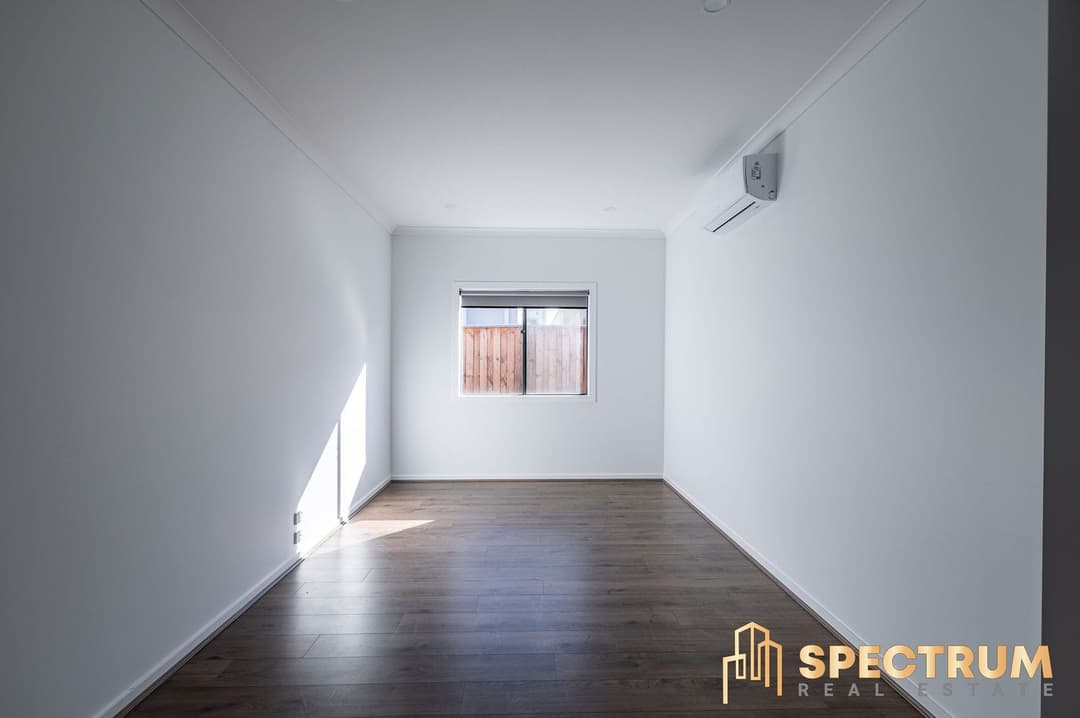
It's the same standard we built the coverage for Spectrum Real Estate around: one grade and one pacing, applied across every listing rather than reinvented per property.
Built for the platform it's actually watched on
Most of a listing video's views happen on a phone, in a feed, with the sound off by default. That means the edit needs to read with captions or graphics carrying the key details, not narration alone, and it needs to hold attention in the first three seconds the way the rest of a social content feed already trains people to expect.
The goal isn't a video that looks nice on its own, it's one that earns the inspection. Everything above is in service of that one outcome.